Pass IELTS, JAMB, WAEC, & more with EduPadi CBT App
Practice questions, get instant scores, understand solutions with smart AI insights, and track your progress.
How to Keep Students Awake and Engaged in Your Nigerian Classroom
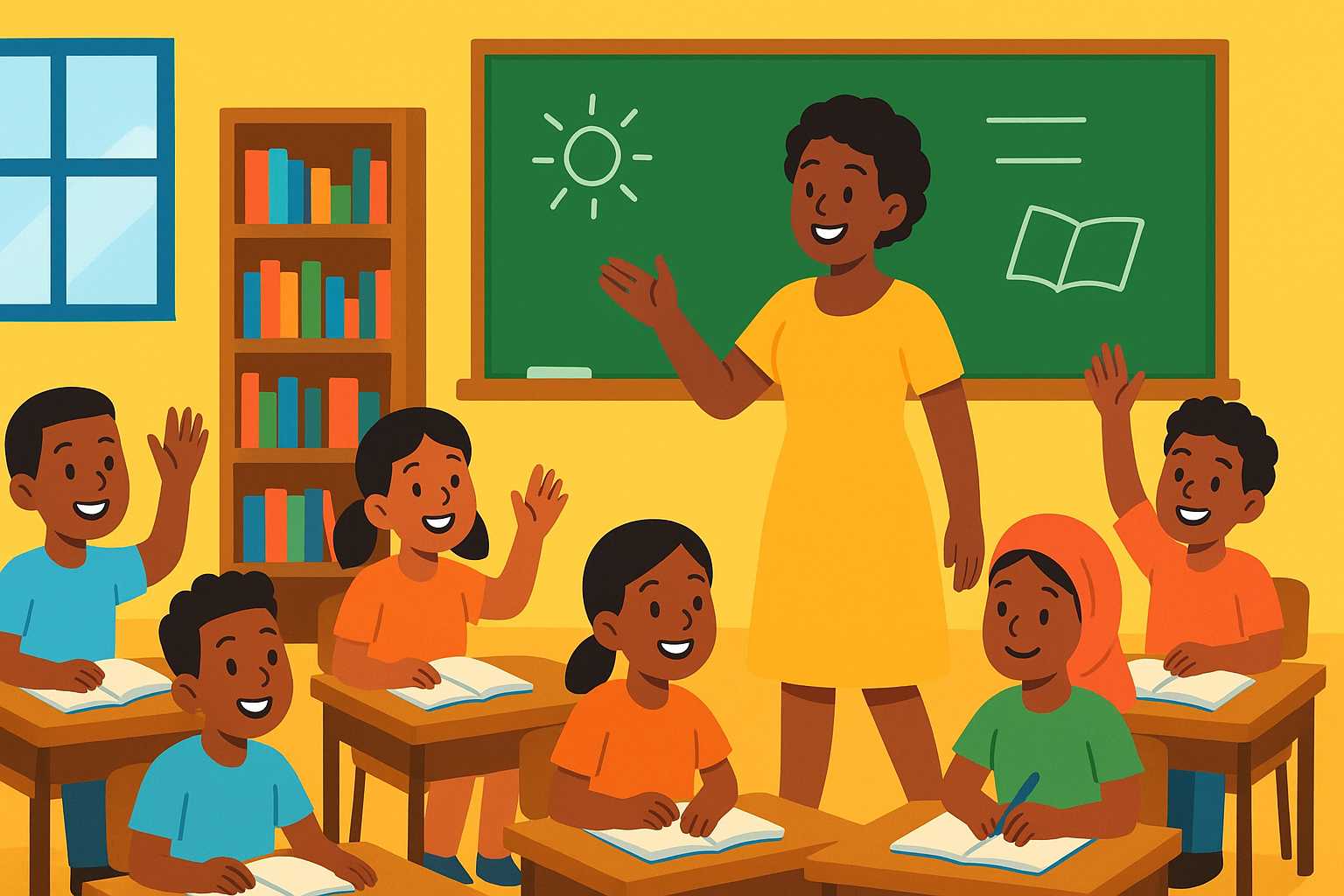
Keeping students awake doesn't require magic, just creativity, energy, and a willingness to meet them where they are. Add stories, movement, mini-quizzes, role-play, and practical demos, and you'll transform even the sleepiest classroom into a lively, engaged learning space. Because "Teacher, I was only resting my eyes" is not a learning strategy.
If you've ever taught in a typical Nigerian classroom, you know the struggle is real. One minute you're explaining photosynthesis with all the passion of a Nollywood star, and the next minute… Princess is dozing like she's in a competition. Amina is staring into deep space. And Tolu? He's crafting masterpieces in his notebook that have nothing to do with your lesson.
So how do you keep these wonderful, distractible humans awake and genuinely interested? Let's dive into some realistic, classroom-tested methods that actually work.
1. Tell Stories Like Your Grandma Does
There is magical power in storytelling, especially the African/Nigerian kind filled with drama, suspense, wisdom, and the occasional "And that's how the tortoise lost his shell…"
Turn your lessons into stories:
- Teaching physics? Tell them about the day you almost electrocuted yourself because you ignored Ohm's Law (don't worry, just almost).
- Discussing economics? Explain it through how your mum ran the household budget with CIA-level efficiency.
A good story snaps students out of dreamland faster than a teacher shouting "TEST NEXT WEEK!"
2. Role-Play: Let Them Act Out the Lesson

Students love acting, give them a chance, and they'll turn your class into a full-blown stage performance.
Examples:
- Teaching history? Make them reenact the Berlin Conference (with exaggerated accents, they'll do it anyway).
- Teaching biology? Assign someone to be the mitochondria, give them sunglasses and let them brag about being "the powerhouse of the cell."
Role-play wakes even the sleepiest student. No one wants to be caught napping when they might be cast as "Chief Enzyme of the Day."
3. Mini-Quizzes: The Friendly Surprise Attack
Forget long, boring tests. Give 2-minute quizzes sprinkled randomly into the lesson.
Why this strategy works:
- It creates healthy "positive tension", students stay alert because they don't know when the next question is coming.
- It turns listening into a survival skill.
- They love competing, especially when there's a reward… even if it's just bragging rights.
And to make this even better, make the questions funny.
"If the mitochondria is the powerhouse of the cell, what would the nucleus be in an African home?"
Someone will definitely shout "THE MOTHER!" and the whole class will wake up.
4. Practical Demos: Show, Don't Just Tell
Students rarely sleep when things are happening live.
Examples:
- Chemistry: A simple colour-changing reaction will turn everyone into a scientist instantly.
- Geography: Bring sand, stones, or even a plastic bottle to show erosion in action.
- Mathematics: Use actual money, suddenly everyone becomes an A-student.
Nigerian students love practicals because they make the lesson real, relatable, and more importantly, less boring.
5. Use Relatable Anecdotes
When you describe a scenario that actually happens in Nigerian households or communities, students perk up immediately.
Examples:
- "Imagine you fetch water from the well and miscalculate the weight…"
- "Picture your younger brother trying to divide the meat in the pot equally…"
They laugh, they relate, and most importantly, they listen.
6. Move Around, Don't Be a Statue
If you stand in one spot too long, students mentally switch off. But once you start walking around, like a teacher version of a security patrol, everybody suddenly becomes attentive.
No one wants you sneaking up behind them while they're drawing their 17th cartoon of the day.
7. Use Their Names (Strategically!)
Nothing wakes a sleepy student faster than hearing their own name mid-lesson.
"…and that is why friction slows things down, Mariam, I see you agreeing with me."
Mariam will sit up so quickly she'll discover new neck muscles.
8. Keep It Fun, But Keep It Real
A little humour goes a long way. Crack a joke, use a funny example, react dramatically to something small. Students will learn more from a teacher who feels approachable and human.
But don't overdo it, you're a teacher, not a stand-up comedian. (Unless you are… then go off, legend.)
9. Check if the students are healthy
Observe the child's general behavior and energy level when they arrive. Look for signs like unusual tiredness, lack of focus, or discomfort. If a student appears unwell, gently ask how they're feeling and whether they're experiencing any pain or discomfort.
If you notice anything concerning, guide the child to the school health officer for proper assessment. This helps keep the classroom safe, active, and conducive to learning for everyone.
10. Check if they are stressed out from excess house chores
Often times, Nigerian students, especially the ones in the rural areas, are stressed out by house chores at night before bedtime or early morning before they go to school.
Engage them in a conversation and find out their reasons for dozing off in the classroom. Encourage them to take it easy on chores. You can write their parents or guardians too.
The school can help educate the parents on why engaging a child in too much chores isn't ideal for their health and classroom efficiency.
At the end of the day, you don't need superpowers to keep a class awake because when learning feels real and exciting, sleep disappears. Try these ideas, tweak them your way, and watch your classroom stay active.